The Ogiek are the indigenous people of the Mau Forest in Kenya’s Rift Valley. Their name means ‘keeper of forest and fauna’. Despite their ancestral relationship to the forest the Ogiek have been evicted from it, beginning during the British colonial rule and as recently as 2024.
Honey performs a crucial cultural, medicinal and nutritional role in Ogiek culture. The honey and the hives from which it was harvested are the living practice that still binds the Indigenous Ogiek to their forests which they can no longer access. Each Ogiek family used to have around 400 hives hanging in Mau Forest, which provided them with food and medicine.
In this project we explore the role of the YEAST within the Ogiek Honey. As the active bioagent in the creation of the Honey Wine it performs an active living cultural role and as such is a key ingredient in the Ogiek Honey’s performance as a healing agent.
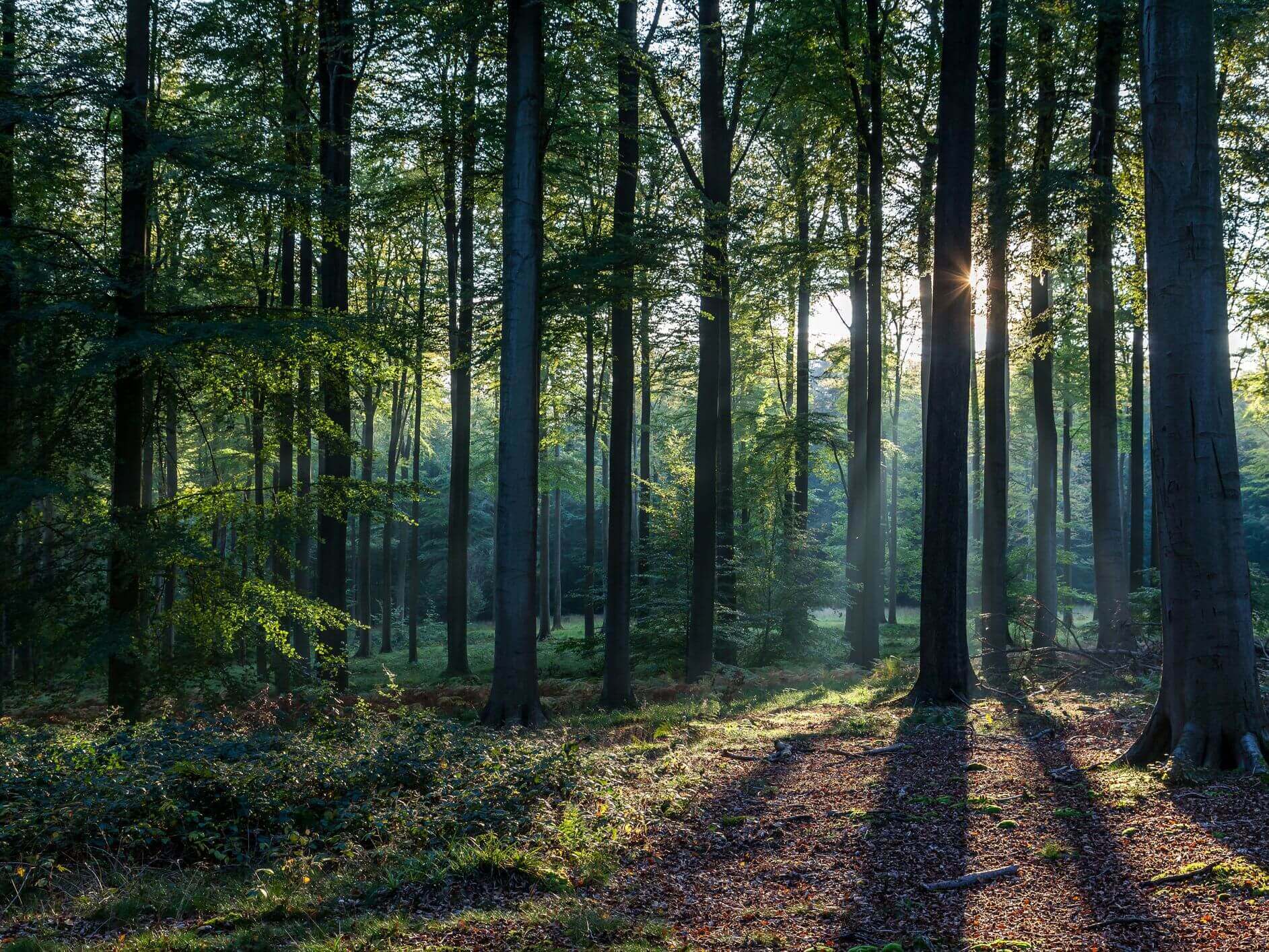
 Ogiek Honey is a bio-active and culturo-active substance. Honey is the product of pollen and nectar collected by bees from the wildflowers and plants in their environments, so the Ogiek Honey holds Mau forest’s biodiversity in its concentrated form. To consume it is to consume the forest.
Through this work we explore how does YEAST speak for itself as a living being. How can a laboratory practice allow us to enhance the yeast’s relation to the world beyond Mau and speak for its forest. And what value can be created for this microbial entity born from an ancient indigenous practice.
We have been using the BioArt_lab to explore the yeast as a living material, isolating and extracting it from raw honey samples that were gifted to us in Kenya. As a result we have created multiple physical outcomes exploring the yeast’s role both culturally but also through the lens of extraction and bio-piracy.
One of the processes is a new beer created from the wild yeast that we have been growing and culturing.