LBE highlights include
Land Body Ecologies Festival London, 2023 (Wellcome Collection)
Stories of Solastalgia Book Authored by LBE, with over 50 contributors 2024 (Published by Lawrence Wishart)
Ogiek Cultural Center 2023 (established by OPDP as part of LBE)
First Batwa-led study on mental health impacts of conservation (produced by ABEG as part of LBE)
The Land Body Ecologies podcast 2022-24 Honorary Webby Award (Judges pick)
Advocacy side events 2022-24 ranging from the climate COPs to the UN Permanent Forum on Indigenous Issues

Ogiek elder Samuel stands in a glade in Mau Forest Complex

Single burnt tree after a forest fire in Ban Nong Tao

Lazy Man coffee workshops at LBE festival at Wellcome Collection.

Jon Sironga (Mau Hub) talking to audiences about beehive making in the Stories of entanglement exhibition at Wellcome Collection.
Land Body Ecologies is a transdisciplinary group that came together in 2019 to research the phenomenon of solastalgia. A developing field in global health, solastalgia is defined as the emotional or existential distress caused by environmental change, or commonly described as the feeling of homesickness while you are still at home. Through the lens of solastalgia, LBE aims to deepen understandings of the lived experiences of land trauma across land dependent and Indigenous communities.
LBE's work is anchored and led within 7 global communities through a live network of hubs in the Arctic, Kenya, Uganda, India, Sápmi, Thailand and the UK. Together we have been examining where land, territories and the human body are sites of simultaneous trauma and the ways in which different forms of environmental degradation can unmoor us.
Our work includes artworks, advocacy, publications, cultural preservation and activism.
Press
BBC World Service The Evidence: Exploring the concept of solastalgia
Global Hubs

Arctic
Finland
In the late 1940s, Kemijoki, the longest river in Finland, was dammed as part of major post-war reconstruction projects – hydropower plants and roads built to serve a more efficient forest industry. The dam has led to innumerable losses for local communities – loss of salmon, river-activities, significant places and landscapes. The damming of Kemijoki caused overwhelming cultural, social, ecological, physical and mental challenges.

Bannerghatta
India
Bannerghatta sits on the outskirts of Bangalore. In 1974, it was declared a national park, stipulating that no human activities take place except those in interest of wildlife conservation. Diverse tribal communities who call the region home, are now being squeezed between rapid urban sprawl and land being fenced off for conservation, and the economic and cultural activities upon which they rely increasingly criminalised.

Bwindi
Uganda
Batwa are a hunter-gatherer community, historically inhabiting vast stretches of the biodiverse-rich equatorial forests. Having been forcibly and violently removed from their homeland by government authorities in the name of wildlife and forest conservation in the early 1990’s, Batwa culture and health are now seriously threatened, and with it hundreds of years of invaluable ecological stewardship knowledge.

Ban Nong Tao
Thailand
Ban Nong Tao is home to the Pgak’yau (Karen) community, who practice a 700-year-old tradition of rotational farming to sustainably grow and manage forest resources. Ongoing land reclassification and more recent carbon credit schemes, are resulting in loss of land, culture and spiritual connections for Pgak’yau, devaluing traditional knowledge and fundamental beliefs on how to live in balance with nature.

Mau Forest
Kenya
Ogiek are a forest-dwelling, hunter-gatherer community and have been custodians of Mau Forest for generations. For decades, Mau Ogiek have suffered forced evictions from their ancestral land by the Kenyan Government, without consultation or compensation, disrupting Ogiek’s cultural practices and livelihoods, and causing perpetual displacement and multi-generational trauma.
Sápmi
Sámi territories
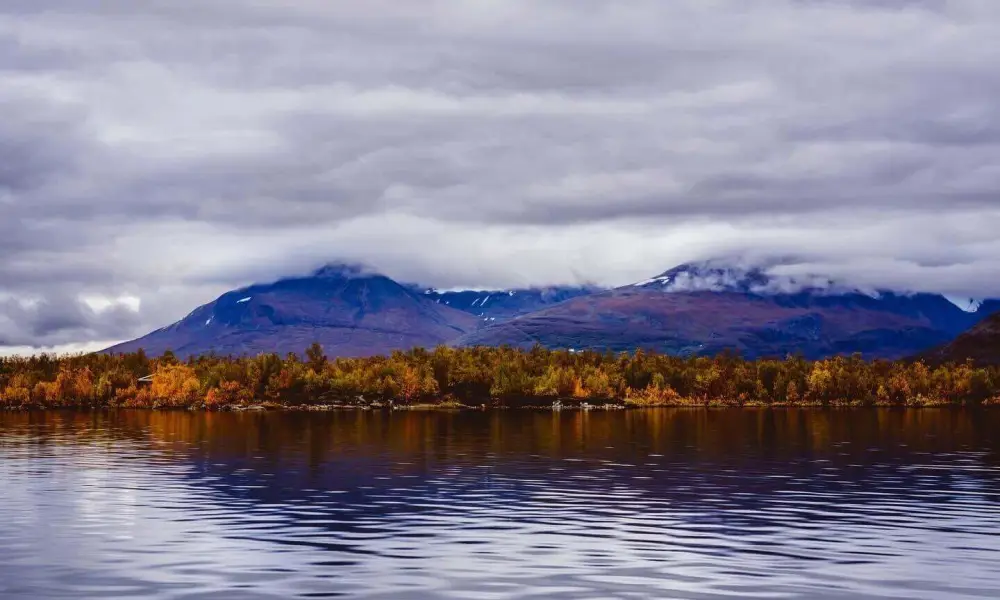
Sámi people are Indigenous Peoples native to Sápmi, a region spanning the northern part of the Scandinavian and Kola Peninsulas. For decades, national governments have failed to involve Sámi in land-use decision-making in a full and fair capacity. Sámi face repeated land-use competition coupled with changing climates, harming livelihoods, human and ecosystem health, and spiritual ties to the land.
Related Publications